

Bariatric surgery for weight loss is a clinically proven intervention for individuals struggling with obesity and related health conditions. It goes beyond cosmetic weight reduction and focuses on metabolic improvement, long-term weight control, and risk reduction for chronic diseases. With rising obesity rates globally, this approach is increasingly being considered when lifestyle changes alone are not sufficient.
Bariatric Surgery and Weight Loss
Bariatric surgery refers to a group of surgical procedures designed to help individuals lose weight by altering the digestive system. These procedures either restrict food intake, reduce nutrient absorption, or combine both mechanisms.
How It Helps to Lose Weight
The effectiveness of bariatric surgery lies in its physiological impact.
It reduces stomach capacity, which limits food intake, and in some procedures, alters hormone signaling related to hunger and satiety. This combination leads to reduced calorie intake and improved metabolic regulation.
Types of Bariatric Surgery for Weight Loss
Different procedures are used depending on patient condition and clinical goals.
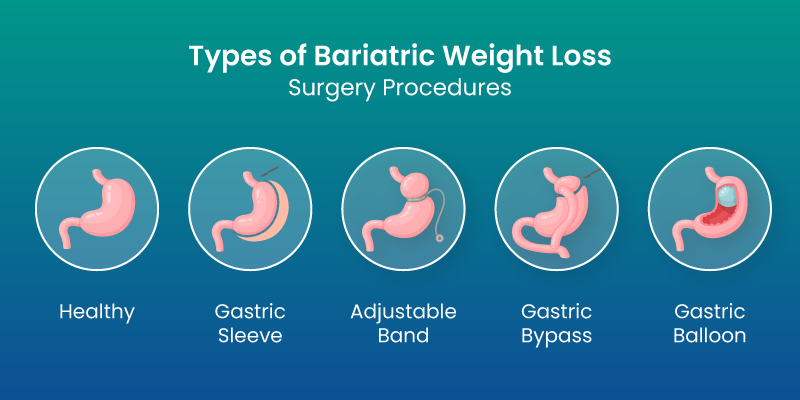
- Gastric bypass: Creates a small stomach pouch and reroutes the intestine
- Sleeve gastrectomy: Removes a portion of the stomach to reduce its size
- Adjustable gastric band: Places a band around the stomach to control intake
- Biliopancreatic diversion: Combines restriction with reduced absorption
Each type has distinct outcomes, risks, and recovery considerations.
Who is Eligible for Bariatric Surgery?
Eligibility is based on medical criteria rather than preference.
Candidates typically include:
- Individuals with a BMI of 40 or higher
- Individuals with a BMI of 35 or higher with obesity-related conditions
- Patients who have not achieved results through diet and exercise
A comprehensive medical evaluation is required before proceeding.
How Effective is Bariatric Surgery for Weight Loss?
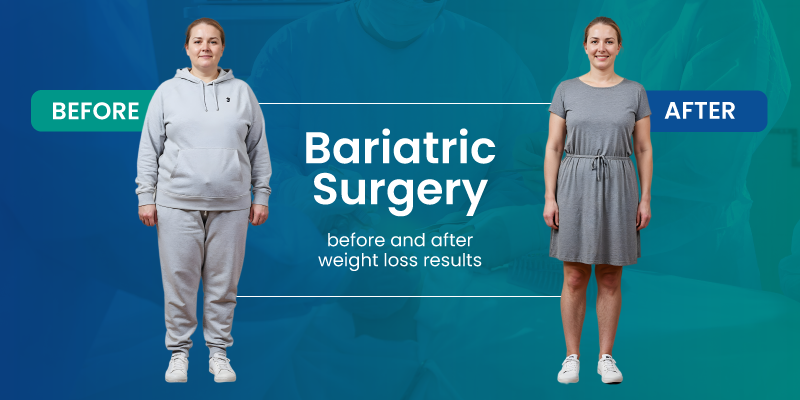
Bariatric surgery is one of the most effective interventions for sustained weight loss.
Studies show that patients can lose a significant percentage of excess body weight within the first year. Beyond weight reduction, improvements are often seen in conditions such as type 2 diabetes, hypertension, and sleep apnea.
The effectiveness depends on adherence to post-surgical guidelines and long-term lifestyle adjustments.
Benefits of Weight Loss Bariatric Surgery
The benefits extend beyond weight reduction.
| Benefit | Impact |
| Metabolic improvement | Better glucose control |
| Cardiovascular health | Reduced risk factors |
| Mobility | Improved physical function |
| Quality of life | Increased daily comfort |
These outcomes contribute to both physical and long-term health improvements.
Risks and Side Effects
Like any surgical procedure, bariatric surgery carries risks.
Common side effects include:
- Nausea and vomiting
- Nutritional deficiencies
- Fatigue during early recovery
More serious risks may include infection, complications from anesthesia, or long-term digestive issues.
Understanding these risks is essential before making a decision.
Bariatric Surgery Success Rate
Success is measured through both weight loss and health improvement.
Most patients achieve substantial weight reduction within 12 to 18 months. Long-term success depends on maintaining dietary discipline and regular follow-up care.
Success is not defined by surgery alone but by sustained behavioral change.
Want to share your Bariatric Surgery Experience – Participate in Patient Survey
Weight Loss Bariatric Surgery Procedure
The procedure varies based on the type of surgery.
It typically involves:
- Pre-surgical evaluation and preparation
- Minimally invasive surgical technique
- Post-operative monitoring
Advancements in surgical methods have improved safety and reduced recovery time.
Recovery & Life After Bariatric Surgery
Recovery is gradual and structured.
Patients follow a staged diet, starting with liquids and progressing to solid foods. Regular monitoring ensures proper healing and nutritional balance.

Lifestyle changes become essential, including:
- Controlled portion sizes
- Regular physical activity
- Nutritional supplementation
Long-term success depends on adherence to these adjustments.
Read also about Risk of Physical Inactivity.
Weight Regain After Bariatric Surgery
Weight regain can occur if post-surgical guidelines are not followed.
Common causes include:
- Poor dietary habits
- Lack of physical activity
- Psychological factors
Maintaining results requires ongoing commitment rather than short-term effort.
Bariatric Surgery vs Other Weight Loss Methods
Bariatric Surgery vs GLP-1
Non-surgical treatments such as GLP-1 therapy are gaining attention for weight management. These medications regulate appetite and improve metabolic control.
For more insights, refer to: GLP1 Therapy.
Surgery offers more rapid and significant weight loss, while GLP-1 therapy provides a non-invasive alternative with gradual results.
Surgery vs Diet & Exercise
Diet and exercise remain foundational but may not be sufficient for severe obesity.
Bariatric surgery provides a structured intervention when conventional methods fail to deliver sustainable results.
Conclusion
Bariatric surgery for weight loss is a medically guided solution for individuals with obesity who require structured intervention. It offers significant benefits in weight reduction and overall health improvement but requires long-term commitment to lifestyle changes. Understanding both the benefits and risks is essential for making an informed decision.