Serotonergic antidepressants are a core component of modern mental health treatment. They are widely used for conditions such as depression, anxiety disorders, and obsessive compulsive disorder. Their role is not limited to symptom relief but extends to stabilizing mood, improving emotional regulation, and supporting long-term recovery.
Among the available options, sertraline antidepressant therapy is frequently chosen because of its clinical effectiveness and tolerability across different patient groups. Understanding how these medications function, where they are used, and what to expect from treatment is essential for both patients and healthcare professionals.
What Are Serotonergic Antidepressants?
Serotonergic antidepressants are medications that act on serotonin, a neurotransmitter involved in regulating mood, sleep, appetite, and emotional processing.
Most of these medications belong to the class known as selective serotonin reuptake inhibitors. Their primary function is to increase the availability of serotonin in the brain by preventing its reabsorption into nerve cells.
Common medications in this category include:
- Sertraline
- Fluoxetine
- Paroxetine
- Citalopram
- Escitalopram
These drugs are widely prescribed because they offer a balance between effectiveness and tolerability, especially when compared with older antidepressant classes.
Quick Overview
| Feature | Description |
|---|---|
| Drug class | Selective serotonin reuptake inhibitors |
| Target | Serotonin pathways in the brain |
| Main uses | Depression, anxiety, OCD |
| Example | Sertraline |
Is Sertraline an Antidepressant?
Yes. Sertraline antidepressant is a selective serotonin reuptake inhibitor used in the treatment of several mental health conditions.
It is commonly prescribed for:
- Major depressive disorder
- Generalized anxiety disorder
- Panic disorder
- Post-traumatic stress disorder
- Obsessive compulsive disorder
It is often considered a first-line treatment option because of its established safety profile and broad clinical application.
Clinical Applications of Sertraline
This medication is used across a range of conditions that involve mood and anxiety regulation.
Patients receiving treatment may experience improvements in:
- Persistent low mood
- Loss of interest in daily activities
- Excessive worry or fear
- Sleep disturbances
- Difficulty concentrating
While response varies, many individuals report gradual improvement over weeks rather than immediate changes.

How Serotonergic Antidepressants Work
To understand their effect, it is useful to look at how serotonin functions in the brain.
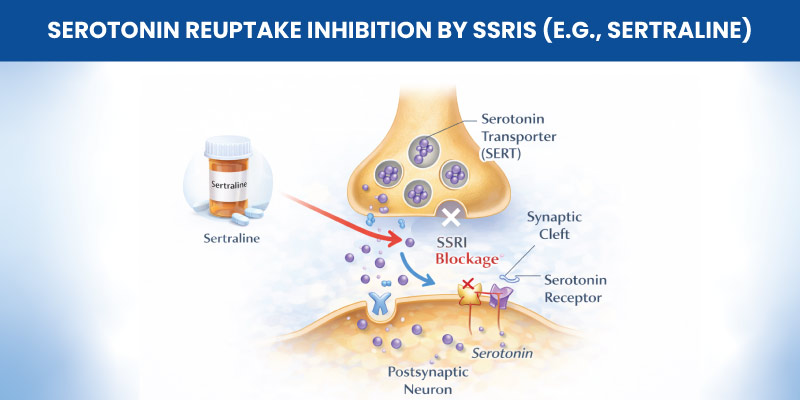
Serotonin is released by nerve cells to transmit signals. After transmission, it is usually reabsorbed into the original cell through a process called reuptake.
Selective serotonin reuptake inhibitors block this process. As a result, serotonin remains available in the space between nerve cells for longer periods. This increased availability is associated with improved mood stability and reduced anxiety.
The effect is not immediate. Changes in neurotransmitter activity take time to translate into noticeable clinical improvement.
Why These Medications Are Widely Used
Targeted Mechanism
These medications act on a specific neurotransmitter system, making them more focused compared with older treatments.
Fewer Severe Side Effects
Compared with earlier antidepressants, they are generally better tolerated and safer in long-term use.
Broad Applicability
They are used across multiple conditions, not limited to depression alone.
Ease of Use
Once-daily dosing and standardized regimens make adherence easier for many patients.
Benefits in Treatment
Improved Mood Regulation
Stabilizing serotonin activity helps reduce depressive symptoms and emotional fluctuations.
Reduction in Anxiety Symptoms
These medications are effective in managing excessive worry, panic episodes, and stress-related conditions.
Support for Long-Term Management
They are often used as part of a longer treatment plan, helping maintain stability over time.
Side Effects
Common Effects
Some individuals may experience mild symptoms during early treatment.
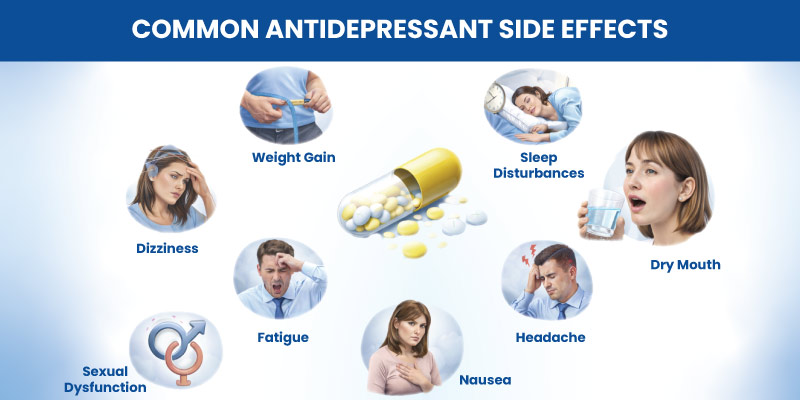
- Nausea
- Headache
- Changes in sleep patterns
- Digestive discomfort
These are usually temporary and improve as the body adjusts.
Ongoing or Notable Effects
In some cases, sertraline antidepressant side effects may persist and require attention.
- Sexual dysfunction
- Appetite changes
- Weight fluctuation
- Increased sweating
These effects vary between individuals and should be discussed with a healthcare provider if they become disruptive.
Can Sertraline Increase Anxiety?
A temporary increase in restlessness or nervousness may occur when treatment begins.
This is linked to early changes in serotonin levels and is usually short-lived. Symptoms often improve as the body adapts, but ongoing discomfort should be evaluated.
Safety and Monitoring
Treatment should always be supervised by a qualified professional.
Important considerations include:
- Gradual adjustment of dosage
- Monitoring for side effects
- Avoiding abrupt discontinuation
Stopping suddenly can lead to withdrawal-like symptoms, so any changes should follow medical advice.
Comparison With Other Medications
Medication Common Use
- Sertraline Depression, anxiety, PTSD
- Fluoxetine Depression, OCD
- Escitalopram Depression, anxiety
- Paroxetine Anxiety disorders
The choice depends on patient response, tolerance, and clinical history.
When These Medications Are Prescribed
They are used in a wide range of conditions, including:
- Depressive disorders
- Anxiety disorders
- Panic disorder
- Obsessive compulsive disorder
- Post-traumatic stress disorder
Treatment decisions are individualized based on symptoms and patient needs.
Read also about Work Stress and Anxiety.
Treatment Expectations and Timeline
Improvement does not occur immediately.
Most patients begin to notice changes within a few weeks, with continued progress over time. Consistency in medication use is important for achieving desired outcomes.
Early expectations should focus on gradual improvement rather than immediate results.
Future Directions in Research
Ongoing research aims to improve how these medications are used.
Areas of focus include:
- Personalized treatment based on genetic profiles
- Better prediction of individual response
- Combining medication with psychological therapies
These developments aim to improve effectiveness and reduce uncertainty in treatment selection.
Conclusion
Serotonergic antidepressants remain a central part of mental health treatment. The sertraline antidepressant is widely used due to its effectiveness, tolerability, and broad clinical application. While generally well accepted, treatment requires careful monitoring and should be guided by medical expertise.
Read also about Psilocybin Therapy.