

Ovarian cancer research is evolving rapidly, driven by the need for earlier diagnosis, more effective treatments, and improved survival outcomes. As one of the most challenging cancers to detect in early stages, ongoing research focuses on understanding disease biology, refining therapies, and expanding clinical trial access.
Overview of Ovarian Cancer Research
Why Ovarian Cancer Research Is Critical
Ovarian cancer is often diagnosed at advanced stages due to non-specific symptoms and lack of reliable screening tools. This contributes to lower survival rates compared to other cancers.
Research plays a central role in:
- Identifying early detection markers
- Improving treatment precision
- Reducing recurrence rates
Researchers are increasingly studying factors that influence long-term outcomes across cancers, including patterns of breast cancer recurrence, to identify strategies that may reduce disease relapse and improve survival.
Types of Ovarian Cancer Studied in Research
Different subtypes are studied to improve targeted interventions:
| Type | Research Focus |
|---|---|
| Epithelial tumors | Most common, focus on treatment response |
| Germ cell tumors | Rare, studied for early detection |
| Stromal tumors | Hormone-related mechanisms |
Each subtype requires a distinct research approach.
Latest Research on Ovarian Cancer
Research is concentrated on:
- Tumor biology and microenvironment
- Drug resistance mechanisms
- Biomarker discovery for early detection
- Personalized treatment strategies
Emerging Technologies in Ovarian Cancer Research
Technological advancements are accelerating discovery:
- Genomic sequencing for mutation identification
- AI-driven data analysis for pattern detection
- Liquid biopsy for non-invasive diagnostics
These tools improve both speed and accuracy of research outcomes.

Advances in Ovarian Cancer Treatment
Recent treatment advancements include:
- Targeted therapies focusing on specific genetic mutations
- Immunotherapy approaches enhancing immune response
- Combination therapies improving treatment effectiveness
These developments aim to increase survival while reducing side effects.
While immunotherapy offers promising results, clinicians must also monitor for potential adverse events, including immunotherapy-related eye complications, which can affect patient quality of life and treatment adherence.

Ovarian Cancer Clinical Trials
Clinical trials are essential for validating new treatments.
Key characteristics:
- Evaluate safety and efficacy of therapies
- Test new drug combinations
- Explore personalized treatment approaches
Participation in trials provides access to emerging therapies not yet widely available.
Ovarian Cancer Drug Trials
Drug trials focus on developing and testing new therapeutic agents.
| Trial Focus | Objective |
|---|---|
| Targeted drugs | Address specific mutations |
| Immunotherapy agents | Enhance immune response |
| Combination therapies | Improve treatment outcomes |
These trials contribute to expanding treatment options.
Early Detection and Diagnostic Research
Early detection remains a major research priority.
- Development of biomarker-based screening methods
- Improved imaging techniques
- Integration of genetic risk assessment
These efforts aim to shift diagnosis to earlier, more treatable stages.
Genetic and Molecular Research
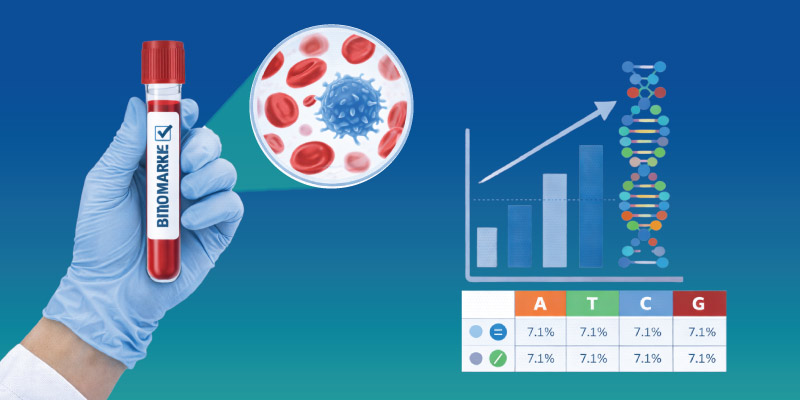
Genetic studies are central to understanding disease progression.
- Identification of BRCA and other mutations
- Analysis of tumor heterogeneity
- Study of molecular pathways influencing growth
This knowledge supports targeted therapy development.
Advances in molecular profiling continue to expand opportunities for targeted therapy for cancer, allowing treatments to be tailored to specific genetic alterations driving tumor growth.
Role of Research Organizations and Global Collaborations
Global collaboration accelerates research progress.
- Multicenter trials increase data reliability
- Shared databases improve research efficiency
- International guidelines standardize approaches
Collaboration ensures broader applicability of findings.
Similar collaborative models have accelerated progress in lung cancer research studies, demonstrating the value of large-scale data sharing and international clinical trial networks.
How Patients Can Participate in Ovarian Cancer Clinical Trials
Patients can access trials through:
- Referral by healthcare providers
- Clinical trial registries
- Research institutions
Eligibility depends on disease stage, prior treatment, and overall health status.

Future Directions in Ovarian Cancer Research
Future research is expected to focus on:
- Precision medicine approaches
- Improved early detection technologies
- Development of less toxic therapies
- Integration of AI in treatment planning
These directions aim to improve both survival and quality of life.
Alongside advances in treatment, researchers continue to investigate preventable risk factors, including the role of alcohol as a direct carcinogen, in cancer development and progression.
Conclusion
Ovarian cancer research continues to advance across multiple areas, including treatment, diagnosis, and prevention. While challenges remain, ongoing innovation and global collaboration are driving progress toward more effective and personalized care strategies.
Women interested in reproductive and hormonal health can also learn more about living with polycystic ovary syndrome (PCOS) and its long-term health implications.
Explore more evidence-led healthcare insights and global perspectives: MDForlives